Informationen, die als eher viel Lärm um wenig kategorisiert wurden bzw. in dieser Richtung verdächtig erscheinen. Im Vordergrund steht offenbar das (Ab-)lenken der Aufmerksamkeit auf Nebelkerzen-gleiche Kunstworte, die bislang nicht klar definiert sind.
Diese Frage sollte vermutlich einige Entwickler von Computerspielen brennend interessieren. Nachgegangen wird dieser Frage in einem recht aktuellen Forschungsbericht der Hamburger Forschungsberichte zur Sozialpsychologie, die vom Arbeitsbereich Sozialpsychologie der Uni Hamburg herausgegeben werden. Am Institut für Sozialpsychologie, geleitet von Univ.-Prof. Dr. phil. Dipl.-Psych. Erich H. Witte ist eine qualitative Studie durchgeführt worden zu den Gründen Computerspiele zu spielen. Leonard Reinecke, Sabine Trepte und Katharina-Maria Behr stellen die Frage: „Why Girls Play. Results of a Qualitative Interview Study with Female Video Game Players.“ (als PDF).
Zitate aus den Befragungen, wie das folgende, bei dem nach den Eigenschaften der Avatarfiguren gefragt wird, machen Lust auf mehr:
“There are not enough of them [female game characters]. And the ones that do exist – you know – they are the creation of male game developers. I mean, no real woman looks like that!”
Die Forschung, die rund um Herrn Witte stattfindet ist für meine Dissertation besonders spannend, weil insbesondere der sozialpsychologische Einfluss von Gruppen auf die Leistung von Individuen in vielfältigen Forschungsberichten und Publikationen thematisiert worden ist. So ist aus meiner Sicht z.B. auch ein Besuch der Respect Research Group auf jeden Fall einen Klick wert, denn dort beschäftigt man sich mit Themen, die die Funktionsweise und den sozialpsychologischen Motor von Web 2.0 vermutlich bereits beschreiben, ohne, dass die Autoren dies selbst bislang realisiert haben. Insbesondere der Beitrag „Es geht mir nicht um Toleranz, es geht mir um Respekt! (als PDF)“ von Niels van Quaquebeke, Daniel C. Henrich und Tilman Eckloff scheint da eine gute Lektüre.
Why do I blog this? Das ist diesmal einfach: Ich checke gerade meine Literaturlisten für die Dissertation, und da war ich nochmal auf der Webseite und da Computerspiele mich nicht so ganz kalt lassen, war das natürlich Pflicht. Und da ich ja – genauso wie alle anderen – auf der Suche nach dem Heiligen Gral des Web 2.0 bin, und diesen in der Sozialpsychologie vermute, hab ich mich gleich mal ein wenig umgeschaut, auch wenn es mich wieder eine Stunde zurückgeworfen hat mit der eigenen Arbeit.
Übersichten was denn genau Web 2.0 sein soll, gab es schon viele und vor allem viele bunte. Jetzt hab ich eine gefunden, die mir tatsächlich gefällt (und nicht weil sie bunt ist!). Bei netzpolitik.org habe ich einen Link auf die Sunlightfoundation gefunden, die ein Web 2.0 Chart erstellt hat.
Bild anklicken für große Darstellung (wirklich gross!!!)
Das 8 MB starke Stück PDF-Dokument des Web2.0-Chart erfasst ziemlich viel. Soviel, dass ich es gerne hier in meinem Blog haben möchte, weil es mir hilft mich zu orientieren bzw. nichts zu vergessen. Wem die 8 MB PDF ein wenig groß sind, und zudem leider nur einen A4-Drucker hat, dem kann vielleicht die geschrumpfte A4-Version (als PDF) helfen.
Auf dem „Communityportal für Bildung Medien und Lernkulturen“ der Universität in Krems, hat Prof. Michael Wagner einen kritischen Beitrag mit dem Titel „Wider den Begriff Web 2.0“ verfasst, den ich sehr, sehr lesenswert finde. Wagner kritisiert darin, einerseits den zunehmend inflationären Gebrauch des Begriffs selbst, aber auch den Gebrauch der mittlerweile zur Ikone aufgestiegenen Endung „2.0“ für alle möglichen Dinge. Diese Kritik findet statt vor dem Hintergrund, dass der Begriff selbst kaum eine griffige Definition hat. Genau dies kritisiert Wagner indem er schreibt:
Man sollte eigentlich Bezeichnungen wählen, die so wenig Interpretationsspielraum wie möglich erlauben.
Wagner plädiert daher dafür, sich an der Definition des MIT zu orientieren, Zitat:
Dort spricht man im Zusammenhang mit Web 2.0 von partizipativen Technologien. Der Begriff der „Partizipation“ soll dabei zum Ausdruck bringen, dass der Konsument oder die Konsumentin nicht mehr passiv Medien konsumiert sondern selbst aktiv an einem kollaborativen Medienproduktionsprozess beteiligt ist.
Dem kann ich mich nur anschließen. Das stimmt aus meiner Sicht auch gut überein mit anderen Sichtweisen, die den Wandel darin sehen, dass es eine Entwicklung vom „Read-only-Web“ zum „Read-and-Write Web“ gibt. Diese Definition allein erklärt aus meiner Sicht aber noch nicht die Dynamik die wir sehen.
Wieso sollten plötzlich so viele Menschen etwas Eigenes „produzieren“ oder schreiben wollen? Prinzipiell ging das ja schon mit den ersten Homepages. Nein, ich glaube wer zu Beginn des Internet im Netz etwas schreiben wollte, der hätte das auch tun können (vielleicht war es komplizierter, teurer und langsamer als heute, aber wenn man gewollt hätte…). Ich denke vielmehr, dass die Dynamik der Netzentwicklung, die oft mit „Web 2.0“ bezeichnet wird einen anderen Motor hat. Dieser Motor ist etwas flapsig ausgedrückt das Prinzip „Gleich und Gleich gesellt sich gern“! Es ist die in den Webdiensten integrierte Funktion bzw. ein diesen Diensten inhärenter Algorithmus, der Menschen anhand von Content den sie produzieren (z.B. Weblog Post mit einem Tag, delicious Bookmark mit Tag, Flickr-Bild mit Tag) und den sie konsumieren (z.B. Youtube-Film mit Tag, SlideShare-Folien mit Tag, Amazon-Buch mit Collaborative Filtering, iTunes Store mit Collaborative Filtering) zusammenführt. (Dank an dieser Stelle an Heidi Schelhowe für die Anregung zu dieser Algorithmus-Sichtweise.)
Der dynamische Motor ist das soziale Bedürfnis nach Gemeinsamkeit und einer Verbindung zu anderen „gleichen“ oder doch zumindest ähnlichen Nutzern. Die Partizipation allein ist aus meiner Sicht deshalb eher Mittel zum Zweck, um ein eigenes Interessenprofil bekannter zu machen, Interessenten werden dann über die zugegeben recht primitiven Profile (auf „Tag“ bzw. Schlagwort-Basis und z.B. via Trackbacks) zusammengeführt. Das funktioniert trotz oder gerade wegen der Einfachheit erstaunlich gut, weil die Schlagworte und Trackbacks von Menschen ausgewählt und gesetzt werden. Ich sehe nicht, dass unbedingt ein neuer, revolutionärer Wille zur Partizipation da wäre, aber ich sehe, dass ein ursoziales Bedürfnis nach Gemeinsamkeit bzw. Gemeinschaft die treibende Kraft hinter „Web 2.0“ ist. Das hat man erst kürzlich z.B. an dem Studentenportal studi.vz gesehen, dort ist es die gemeinsame Uni, und die gemeinsamen Gruppen und das „gruscheln“, die Menschen zusammenführen.
Wagner schließt mit dem Fazit:
Aus dem Begriff des „partizipativen Web“ ergeben sich somit einige sehr zentrale Fragenstellungen mit derzeit noch wenig zufriedenstellenden Antworten.
Für mich ergeben sich nicht gleich in erster Linie Fragestellungen, sondern zuerst sehe ich neue Möglichkeiten und Chancen. Die Fragestellungen tauchen erst auf, wenn ich von den neuen Chancen tatsächlich Gebrauch mache und auch mit neuen Folgen bzw. Konsequenzen Bekanntschaft mache. So ist es z.B. durch das „Read-and-Write Web“ viel viel leichter geworden, jemanden wildfremdes im Web durch einen vielleicht etwas harsch oder unachtsam formulierten/geschriebenen Blog-Kommentar zu verärgern. Eine zentrale Frage ist für mich: Wie sieht für diesen Fall die kulturelle Routine aus zur Formulierung von Kommentaren in Weblogs?
Lasse ich es wegen dieses Risikos am Besten ganz bleiben?
Schreibe ich Kommentare lieber nur dann, wenn ich ganz „helle Momente“ habe und sondere nur Geniales ab?
Blogge ich nur mit einem zwischengeschalteten Lektor, der Ausdruck und Rechtschreibung prüft, damit ich mich nicht mit meiner schlechten Rechtschreibung und den Tippfehlern völlig diskreditiere?
Übe ich Disziplin und formuliere stets so als wäre mein virtuelles Gegenüber der einflußreichste Mensch des Planeten, dem ich antworte?
Gibt es Routinen zur Entschärfung von möglichen Kommentar-Konflikten, die ich lernen kann?
Mache ich vor jedem Kommentar ein Profiling des Blogbesitzers mittels Google, nach dem Motto „Wer ist das?“, „Was für einen Status hat er?“, „Was hat er in der Vergangenheit geschrieben?“
Versuche ich einen Mittelweg zu gehen und probiere aus, welche Grenzen es gibt, mit dem Risiko sie vielleicht auch mal zu überschreiten?
Beteilige ich mich besser überhaupt nicht am Web 2.0, denn das könnten meine zukünftigen Arbeitgeber lesen und die haben ja vielleicht gar kein Verständnis für so viel Präsenz ihrer zukünftigen Mitarbeiter im Web?
Update 24.5.2007
Folgenden Film musste ich einfach hier noch anfügen. Er ist unterhaltsam und zugleich macht er einen durch seine Übertreibung wirklich nachdenklich.
Trotz des aufkommenden Web 2.0-„Bashing“ das grade umgeht, muss man ja nicht von einem Extrem ins andere fallen. Ich sehe die positiven Seiten der Internetdynamik und wie man es dann benennt ist eigentlich zweitrangig. (Gefunden via weiterbildungsportal.ch)
Why do I blog this? Zum einen zeigt für mich die inflationäre 2.0-Ikonik auch langsam aber sicher heftige Abnutzungserscheinungen, zum anderen ist der Begriff aus meiner Sicht von vergleichbarer „Nebelkerzen“-Qualität wie der Begriff des Lernobjekts. Ohne klare Begriffe ist jedoch – zumindest in der Wissenschaft – nichts mehr klar. Ein weiterer Grund für dieses Posting erschließt sich nur aus dem kommunikativen Kontext für die beteiligten Personen. :-) Ich hoffe die Geste wird verstanden.

 Diese Frage sollte vermutlich einige Entwickler von Computerspielen brennend interessieren. Nachgegangen wird dieser Frage in einem recht aktuellen Forschungsbericht der Hamburger Forschungsberichte zur Sozialpsychologie, die vom Arbeitsbereich Sozialpsychologie der Uni Hamburg herausgegeben werden.
  Am Institut für Sozialpsychologie, geleitet von Univ.-Prof. Dr. phil. Dipl.-Psych. Erich H. Witte ist eine qualitative Studie durchgeführt worden zu den Gründen Computerspiele zu spielen. Leonard Reinecke, Sabine Trepte und Katharina-Maria Behr stellen die Frage: „Why Girls Play. Results of a Qualitative Interview Study with Female Video Game Players.“ (als PDF).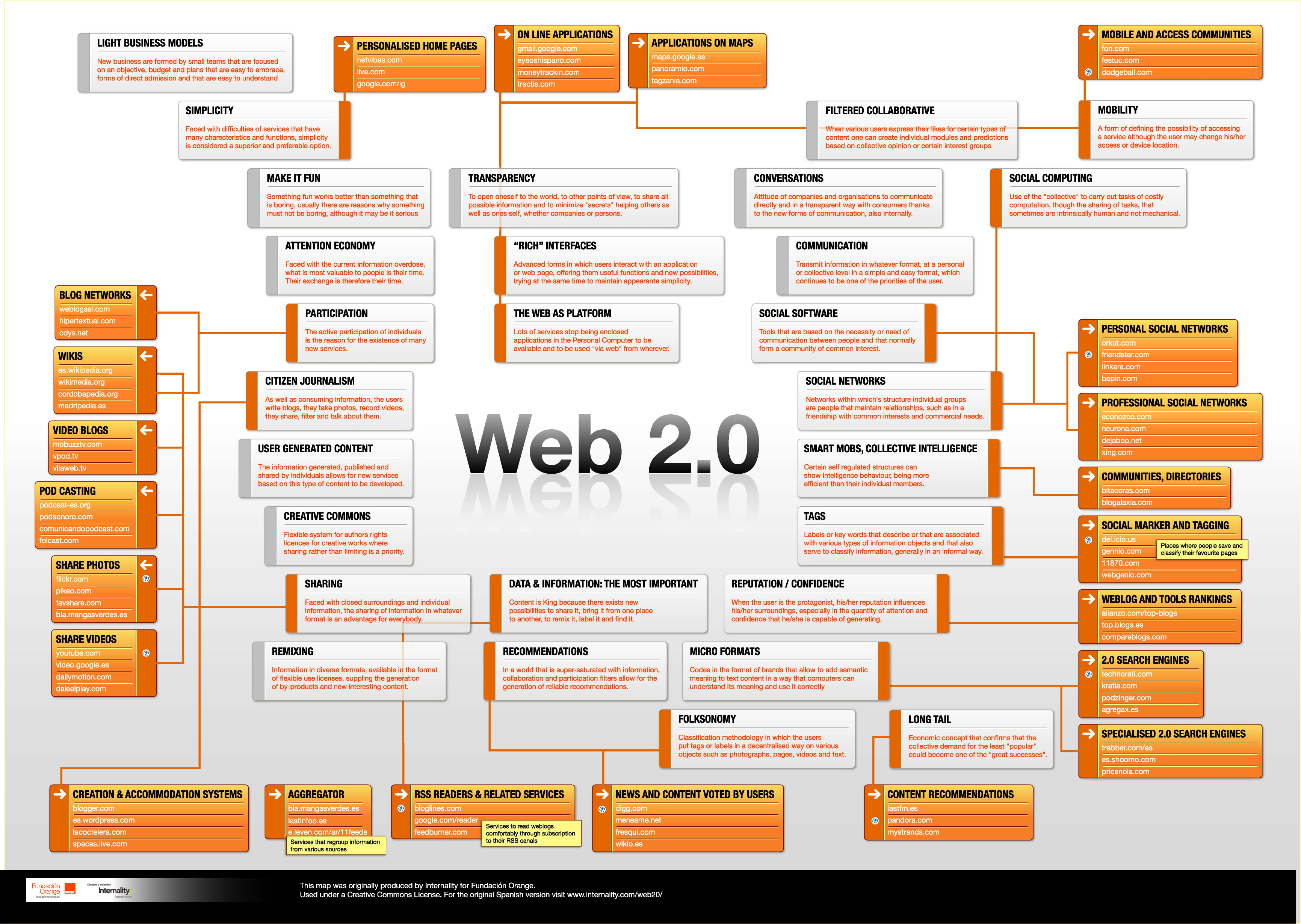
 Auf dem